CAN THE EU’S NEW LAW CHANGE FASHION’S FUTURE?
The EU’s new law is forcing fashion brands to rethink everything, from overproduction to transparency. Will it actually change fashion’s future, or will brands find ways around it?
3 MIN READ
It’s widely known by now that the fashion industry is a major contributor to waste, overproduction, overconsumption and pollution and that past voluntary sustainability efforts have fallen short. Which is why the European Union (EU) wants to change that with their new law, the Ecodesign for Sustainable Products Regulation (ESPR), one of the most ambitious sustainability laws to globally hit fashion to date.It’s forcing brands to rethink everything, from how they produce clothing and accessories to how they manage their unsold stock. By banning the destruction of unsold goods, imposing repairability and recyclability and requiring Product Passports, the EU aims to make sustainability a legal requirement, not a marketing choice.More than a trend, it’s a regulation with consequences that will set the tone for where the industry is heading. Here is what it means for fashion brands, us the consumers and the future of sustainability in this space.WHY THIS LAW MATTERS
Unfortunately, for years, sustainability in fashion has been more about brand messaging than meaningful change.What makes this so different is that it’s legally binding. Fashion brands selling in the EU, and those who want EU customers, will now have to meet strict product design, durability, and transparency constraints.Key Shifts:No more destroying unsold clothes as brands will need to resell, donate, or recycle excess inventory.Clothes will need to be made to last requiring minimum durability, repairability, and recyclability standards.Consumers will be able to scan a QR code and see exactly where a garment was made, its materials, and its sustainability profile.Crackdown on greenwashing as brands cannot use sustainability claims without real, verifiable proof.
For consumers, this could mean more transparency and better-quality products. For fashion brands, it signals that the days of mass production with no accountability may be numbered. We’ve all seen those images or reports of discarded and sometimes unsold stock washing up on the beaches of countries like Kenya, Ghana, Tanzania, Nigeria, and Uganda, where secondhand clothing markets are overwhelmed by waste.WHAT THIS MEANS FOR FASHION BRANDS
Fashion brands, especially those operating at scale, will need to rethink supply chains, materials, and how they manage their waste.Fashion brands, especially those operating at scale, will need to rethink supply chains, materials, and how they manage their waste.In the UK, a recently published report from WRAP (a UK-based climate action NGO) found that over 60% of secondhand clothing purchases replaced the need to buy something new. While this is UK-specific, it shows the broader potential of resale and repair models when supported at scale.With design requirements prioritizing repairability and recyclability, brands will need to invest in resale, rental, and take-back schemes. Those who move early will be best positioned for long-term success.For the luxury fashion sector, this aligns with existing values of craftsmanship and longevity. For mass-market brands, it presents an opportunity to shift toward higher-quality, lower-volume production.WHAT CONSUMERS SHOULD EXPECT
This shift will hopefully push a new mindset around consumption and presents an opportunity to build a more responsible, informed fashion culture. Something I would love to see!So, what does this mean when you shop for clothes?
Better quality, longer lasting garments.
More transparency on materials and sourcing backed by real data.
Expect more secondhand and brand-led circular projects.
Potential price adjustments as higher sustainability standards can increase costs, but they also mean better long-term value.
THE BIGGER PICTURE
ESPR is part of a broader movement toward regulatory-backed sustainability in fashion. Similar policies could soon follow in other major markets, accelerating the shift toward circularity and transparency worldwide.For brands, adapting is about compliance and staying relevant in a changing landscape. And for consumers, this means greater access to quality, ethically produced fashion that aligns with both style and sustainability.A DEFINING MOMENT FOR THE INDUSTRY
All this to say, regulation is finally catching up with fashion’s sustainability promises. ESPR will be a clear push toward a more responsible industry. The brands that embrace this shift proactively, rather than resisting it, will be the ones shaping fashion’s next chapter. Brands like Stella McCartney and Ganni, which have long embraced this way of producing, are already way ahead of the game.What do you think? Will these new rules lead to real change, or will brands find ways around them? Join the conversation, share in the comments!You might also like this earlier post: GREEN IS THE NEW BLACK: SUSTAINABLE AND CIRCULAR TEXTILESGLAMPING: ONE WEEK IN AN ECO SURF RESORT
Find out what a sustainable eco surf resort looks like on the edge of Portugal.
3 MIN READ
PORTUGAL
Do you believe in happy mistakes? Well, that’s exactly what happened to me and a few friends on my last girls trip to Portugal. Following a brief stint in a disappointing Airbnb in the city center of Lisbon we mistakenly booked plan-b accommodations which was about 45 mins away from civilization. What we discovered would prove to be better than what we could ever hope for.
Enter Bukubaki Eco Surf, located on the westerly tip of Portugal, just breathing on to the Atlantic ocean. This is where surfers go to ride. The property is nestled in a lightly wooded pine and eucalyptus forest made up of luxury bungalows, treehouses and Canadian tents. To my pleasant surprise their philosophy is built upon a strong focus on nature, sustainability and resource efficiency.
You could feel a natural balance with its surroundings. A perfect place if you want to connect with yourself, land and sea. We felt so at peace and I was especially happy to be far away from the hustle and bustle of the city. The cozy accommodations were decorated with neutral earthy tones all made of natural materials.
We booked the Bungalows on the ground floor which had all the amenities including a dining room with kitchenette plus a terrace with loungers. We spent most of the evenings listening to music and chatting until late.
The nearest town is the quaint little town of Peniche where we visited the 16th-century seaside fortress, Fort of Peniche and Belem Tower.
I spent the days wandering around the resort watching the locals skate in the small skate park on the property. It was a great week with lots of bonding and fun. Unfortunately, on our last day we found out about one of the world’s largest oriental gardens in Europe the Buddha Eden Garden which was only a 20 min drive from the resort. I will definitely be returning just to see visit that.
Sustainability at bUkubaki
Recycling bins all over the property for sorting which guest could do themselves.
Environmentally friendly products at the reception.
Local and organic food at the canteen.
Water filling systems.
Use of recycled materials.
Energy efficiency with the use of photovoltaic and thermal energy.
Biosphere certified.
WHAT I WORE
Top and pant: ME. Keep Me Posted Staycation
Jacket: AMIÉ LEON DORE
Bag: “OLD” CÉLINE Cap: CELINE
Shoes - BIRKINSTOCKS
Rose Shades - NATHALIE BLANC PARIS
WHERE I STAYED
BUKUBAKI , Rua do Juncal 6Casais de Mestre Mendo, Atouguia da Baleia 2525-331, PORTUGAL
IG: bukubaki
Do you ever consider how eco friendly or sustainable your hotel or resort is? Do you pay attention to these things while on vacation/holiday?
Join the conversation, share in the comments!
You might also like this related article: I KNOW WHAT YOU DID LAST SUMMER: MYKONOS
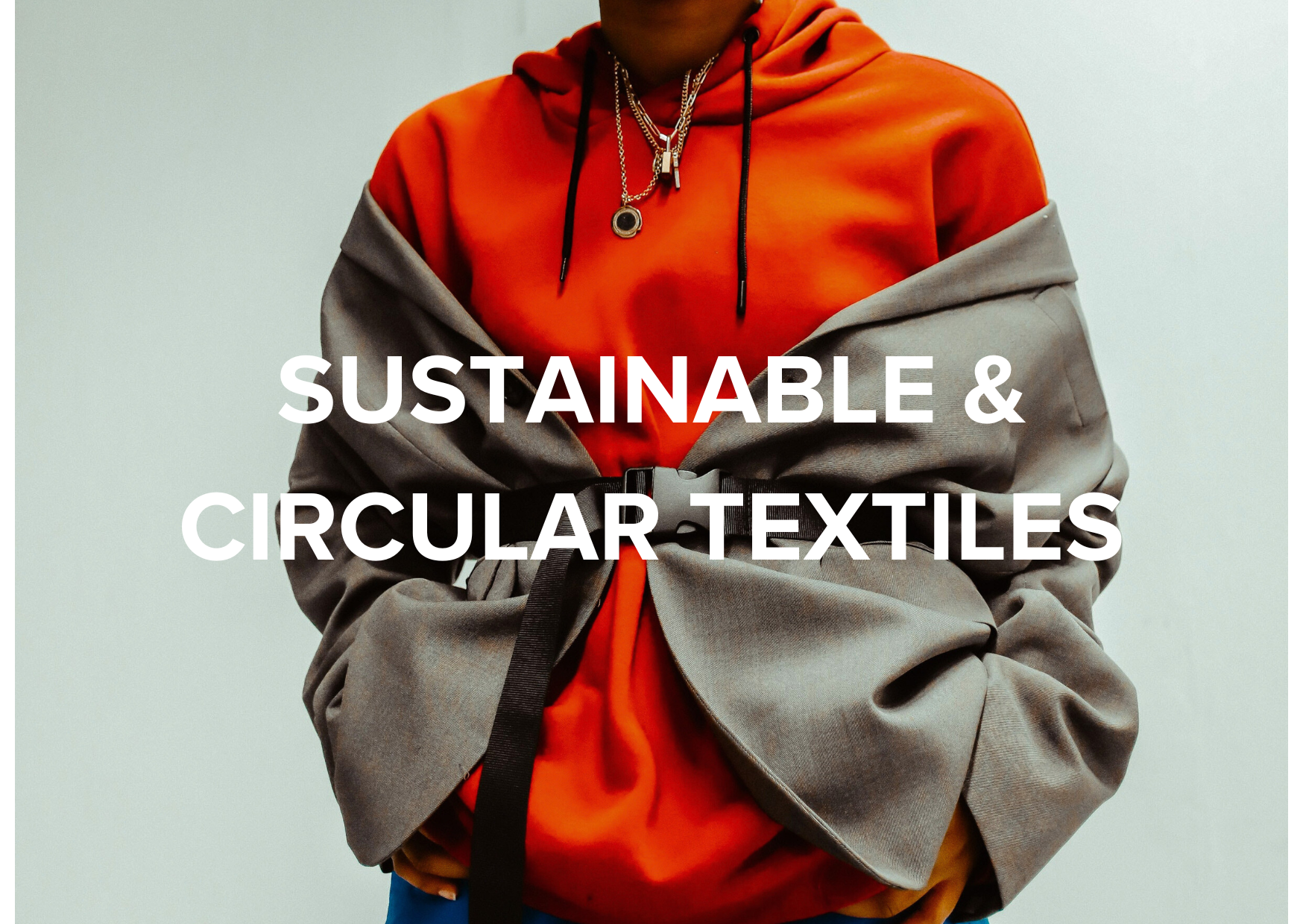
GREEN IS THE NEW BLACK: SUSTAINABLE AND CIRCULAR TEXTILES
Find out how the EU aims to make sustainable fashion the new black.
5 MIN READ
Image: Daniel Adesina
If you know me, I always say, do what you can when it comes to conscious living. However we can only do but so much and it can often feel like the burden is usually placed on us, the consumer. That’s why the latest news coming out of the European Union (EU) concerning Sustainable and Circular Textiles is really interesting and undoubtedly a start to changing this view.Early this year the European Union`s Strategy for Sustainable and Circular Textile was released. The proposal sets out to combat fast fashion, textile waste and the destruction of unsold textiles. A new strategy was devised to make textiles more durable, repairable, reusable and recyclable, to ensure that the manufacturing takes place in full respect of social rights. In addition to its target that by 2030 textile products sold in the EU should be long-lasting, recyclable, and free of harmful ingredients and created in harmony with social and environmental rights. This is a really big deal as it is one of the most ambitious commitments made by a collective of governments in the fashion and textile industry. Certainly something many have been craving for a long time.Image: EU Factsheet
Image: EU Factsheet
Measures include eco-design requirements for textiles, clearer information, a Digital Product Passport and a mandatory EU extended producer responsibility scheme, measures to tackle the unintentional release of microplastics from textiles, greenwashing, plus a boost to circular business models, including reuse and repair services. To make a long story short they want to make sustainable products the norm throughout Europe.If you didn't already know, the textile industry is one of the top five greenhouse gas emitters in the world and needs a tremendous amount of resource and water. Which is why the alarm bells are ringing for governments to start acting. Image: EU Factsheet
Image: EU Factsheet
THE CRITICS HAVE SPOKEN
The approach has been criticized for not being ambitious enough. That the strategy is not tough enough on the impacts of e-commerce, human rights, unfair trading practices among other issues. One commenter on the European Commission’s Instagram page asked,How will companies make money if they plan on "making fast fashion go out of fashion"? Why don't they give subsidies to companies that produce locally instead?
The Commission replied that they will rely on engagement in the reuse and repair sector and adopt favorable taxation. Is this enough? Especially when Europe has a trash waste crisis? Think Ghana environmental disaster fueled by used clothes and fast fashion. In my view as I stated in my post about The Fashion Pact this is certainly the step in the right direction. I too agree that the strategy could be more ambitious but awakening a long-sleeping beast will not be simple. Mobilizing and coordination of all the nations within the EU to reach this target will be slow. The EU may not reach its 2030 target but then again targets are just that targets. They may or may not be met but the idea is to “aim” towards a goal. What we will see thanks to this strategy is countries outside of the EU also adopting similar strategies and legislation.In one of my earlier posts I mentioned that brands need to be more purpose-driven demonstrating that their core values go beyond making a quick buck. Whenever I find a brand that I am interested in spending my money with, I not only see what they have on offer but also look to see how responsible they are in their activities. This is one of the criteria’s that can tip the scale of whether I shop with them or not. This goes back to my point of making more responsible consumption choices. This space will be forever changing as we seek to redefine “Sustainable Fashion”.THE GLOBAL PICTURE: TEXTILES
Textiles production doubled between 2000 and 2015
One full truckload of textiles goes to landfill or incineration every second
1% of material used to produce clothing is recycled into new clothing
Up to 35% of all microplastics released into the environment can be traced back to textile products
(Source: EU Factsheet on Textiles)
Do you agree that clothing should be made to last longer? How do you dispose of clothes you no longer want to wear? Share in the comments!You might also like this related article: ALL YOU NEED TO KNOW ABOUT: THE FASHION PACTLET'S GET NERDY: BIOMATERIALS AND FASHION
Get your hands on a report that has established a common language for biomaterials that could revolutionize what we wear.
3.5 MIN READ
Image: PURA materials, by Magu
Today the textile industry uses large amounts of raw materials in its production. Plastic remains toxic and is considered a relic to many which makes the starting point already wrong when it comes to textile.Micro plastics leach from our washing machines every time we wash out synthetics. Not to mention, consumers have become increasingly concerned about the environmental and social effect of their purchases, now more than ever companies are looking for more “sustainable” solutions.With pressure mounting on the textile and fashion industry to move to a more circular model, textile innovations need a boost. Enter biomaterials.In 2020 I attended the launch of an exciting and enormously important report called Understanding “Bio” Materials Innovations. I will share with you why this is a significant achievement for the future of fashion and innovation in textiles. The report is a first for the fashion industry and its aim is to take away the confusion around what can be considered or labelled as a biomaterial. Courtesy of Biofabricate and Fashion for Good
What the heck are biomaterials?Well, that is not an easy question to answer. According to the report this and “… other questions, represent a widespread ignorance in relation to biomaterials not just on the part of consumers, but by fashion brands and even some material innovators themselves.” To put it plainly biomaterials are materials made in a lab using living cells and microorganism. Courtesy of Biofabricate and Fashion for Good
A NEW GENERATION OF TEXTILE MATERIALS
Biofabricate (an organization who is driving sustainable biomaterial innovation for the global community of startups, brands, and investors) and Fashion for good fund (an organization that bring together the entire fashion ecosystem through their Innovation Platform) teamed up to create this “first of its kind” reference document for brands and the fashion community defining the different types of Biomaterials and processes. The report also does a great job of clearly classifying all the “bios” if you will. Then breaks down the nuances and their interconnectivity.They understood that in order for there to be true growth (no pun intended) in the sector there needed to be first a mutual language. The report goes into detail and explains things in a way so that everyone gets it. Like for example how a material is made and what it is used for.Because biomaterials have a long research & development time and a long journey from lab to supply chain this report is the first step of creating a vocabulary to have a true conversation within the industry. This is a huge leap forward which never before existed.When the day comes when these materials will be available to the market, this report will help in classifying these new materials and communicating these to us, the consumers.We have a long way ahead of us though and there are many challenges before we see these textiles in our closets. Some of those challenges include investment and capital for start-ups. Supply-chain and equipment. Nevertheless the future is here.WHERE TO READ
The report - Understanding "Bio" Material InnovationWould you wear something made of material created in a lab? Share in the comments!You might also like this related article: IS SUSTAINABILITY IN FASHION?ALL YOU NEED TO KNOW ABOUT: THE FASHION PACT
Learn about how Kering and other leaders in the fashion industry have set out to drive change with the sustainability initiative the Fact Pact.
3.5 MIN READ
Look no.9 Balenciaga 50th couture collection. Courtesy of coture.balenciaga.com
HAUTE COUTURE POST PANDEMIC
It’s been almost two years since the global pandemic started and the fashion industry is waking up to a terrible hangover. The realization in the form of a cocktail of over production and consumerism which continues to lead to not only mountains of waste but also human rights violations across its supply chains.In a recent interview Balenciaga’s creative director Demna Gvasalia who showed his first haute couture collection this year said this, “haute couture is the most sustainable way to consume due to the fact that it is made to measure, you only produce what somebody orders”.Balenciaga is the crown jewel of the fashion conglomerate Kering, bringing in 2 billion euros in sales this year. Gvasalia said that the pandemic made him take a look at his role in what the very industry he is a part of is doing to the planet. The pandemic has underlined the need for evolution into a more resilient and sustainable fashion industry.THE FASHION PACT
Gvasalia is sitting in the right place because just two years ago Kering Chairman and CEO, François-Henri Pinault with a nudge from the French government was tasked with putting together a global coalition of companies in the fashion and textile industry called The Fashion Pact. The “pact” publicly made a commitment during the G7 Summit which took place in Biarritz, France towards environmental goals in three areas: stopping global warming, restoring biodiversity, and protecting the oceans.The Fashion Pact at the G7
As I have stated in previous blog posts the scale of the issue is so vast and complex that not one company nor one part of the industry can go at it alone. The industry must act as a collective, hence The Fashion Pact. There are about 70 companies in the industry who have already signed up including brands like the Gap, Chanel, Stella McCartney, Adidas to name a few. Today the coalition has set 7 targets, are monitoring their performance on their digital platform, and reporting on their progress.News of the Fashion Pact has been met with skepticism. Many detractors are saying that it simply is not enough when you look at how rapidly the earth’s natural resources are depleting toppled with the speed at which the industry’s waste is mounting. It is true on one hand however we have to start somewhere and if this is how, then personally speaking, I’ll take it. The fashion industry has always operated in an “every man for himself” way that this truly feels like a miracle. If these companies manage to use their influence and resources to accelerate innovation, bring more transparency and bridge the gap of expertise this could be, all though be it small, a start to something bigger. It is about time that the industry started taking concrete, real responsibility to drive change and once and for all start curing this hangover.SEPTEMBER 2023 UPDATE!
Selfridges and Hermès announced their departure from the Fashion Pact. Despite a grand unveiling and support from global leaders, the project has faced challenges in making significant progress. After four years, the Fashion Pact still lingers in the pilot project phase, slow on delivering substantial results. The departure of Selfridges and Hermès, two highly influential brands, represents a setback for the initiative, underscoring the need for accelerated action and tangible outcomes. The Pact must now confront the realities that have hindered its progress so far and mobilize the remaining members to drive real change within the industry.Follow the initiative
THE FASHION PACTWHERE TO READ
The progress report -THE FIRST STEPS TO TRANSFROM OUR INDUSTRYDo you think the fashion Industry is doing enough to combat waste and over consumption?Did you see Balenciaga’s latest Haute Couture show, if so what did you think of it? Share in the comments!You might also like this related article: Is sustainability in fashion?IS SUSTAINABILITY IN FASHION?
Why is making sustainable choices still so difficult? Let’s explore the real challenges shoppers face when trying to buy better.
3 MIN READ
Ever wondered why it’s so difficult to make sustainable choices when it comes to buying clothes? That comparing for example one brand’s CO2 footprint to another is almost impossible. Let me share with you why this is.In October of last year, I listened in on Innovation Forum’s webinar “Addressing gaps in sustainability: why fashion brands need more data”. The webinar was in conjunction with the launch of the 32-page report Is sustainability in fashion? Industry leaders share their views written by The Economist Intelligence Unit (EIU).Here are some key points to help you understand that although it is clear that brands have a large role to play in the industry becoming more sustainable, we as consumers also have a part play in the story.It is no secret that the fashion and textile industry is one of the most polluting industries only second to the oil industry. At the rate it is going it is not sustainable due to the disproportionately use of natural resources, the waste it generates and the non-transparency in the supply chain that is leading to more and more human rights violations of workers.According to the EIU report consumer demand is high on the list of what will drive sustainability over the next ten years.The road ahead - Consumer demand 21%
Compared to previous generations today’s consumers list sustainability as important in their decision on whether to buy from a brand or not. In the past 5 years I certainly look at where a product is made, how low is the price point and whether the brand gives back in some way to society. In a nutshell I am willing to pay more knowing that a product is fairly made or has a lower impact on the environment. For example, if a product’s price point is ridiculously low and was made in Bangladesh it makes me wonder who made this garment and how much were they paid to make it!In order to understand why it is difficult as a consumer to compare brands from a sustainability point of view we need to understand the challenges within the industry itself. These challenges include:Reliable and comparable data leading to aligned standards:
There are so many approaches and methodologies with each brand collecting data in their own corner that there is no standard in the industry. According to the report leading brands need comprehensive standards and certifications to provide evidence of their sustainability commitments to consumers. Katrin Ley, Managing Director at Fashion for Good sums it up well when she states,“[Standardized data collection methods] reduce costs and aligns what you are measuring. If you could eventually use this data for consumer storytelling it would really help shoppers understand what products are sustainable.”
Supportive Policy Makers: More involvement from government. There is a need for support and guidance from policymakers on how best to produce, distribute and recycle these goods.Capital and Investment: Brands are hesitant to invest in innovation (e.g. new ecofriendly materials) as there is no clear return on investment in the long run. Let’s face it running a sustainable business is expensive. As stated in the report more investment is needed to bring sustainable solutions to scale, making sustainability more affordable for producers and consumers alike. Until these challenges are met, we as consumers will continue to shop in the dark. The report states that companies need to encourage consumers to pay the necessary premium for more sustainable goods by adopting clear, coherent and inspirational messaging that brings customers along on the sustainability journey. Over the years that I have worked in sustainability I cannot stress the importance of conveying a clear message through engaging stories in order to get buy-in on why sustainability is important. People need to feel that they are taking part in something bigger than themselves. What can we do as consumers?
Ask your brand who made the clothes.
Put pressure on your favorite brand to take on or think more sustainably.
Look to see if a brand is really walking the talk, are they greenwashing?
Pay a little more for a sustainably made product, the higher the demand the lower the costs will be in the future.
WHERE TO READ The report - Is Sustainability in Fashion? Industry leaders share their viewsDo you shop with sustainability in mind? Share in the comments!You might also like this related article: LET'S GET NERDY: BIOMATERIALS AND FASHIONWHY I HATE AND LOVE FASHION
Gain insights from my fashion journey, discovering the love-hate relationship that led me to embrace sustainability and find my true voice in the industry.

5 MIN READ
Have you ever fallen so out of love with your passion that you started to loath it? Then, join the club. It all started 10 years ago with my passion, Fashion. I found my way back to loving it, but it was a long road.
Redley Exantus collection no.1 (2007) Paris - Photos: Ulysse Frechelin
Fashion has consistently been a source of joy for me. As a teenager I never missed an episode of shows like Behind the Velvet Ropes and Fashion File (if you know you know). I obsessed over designers and their fashion shows. Diligently memorizing the names of all the models who strode the runway. Wondering what life was like on Rue Montaigne in Paris.Understanding early on the influence of style and what a change in appearance could evoke in others. In elementary school my classmates and I would hold fashion-offs for “Dress Down Friday” and I usually won (we wore uniforms the rest of the week). Knowing that I was on to something, I decided to take fashion and style seriously.So, I experimented with my own style. I was conscious that changing the slouch on a jacket or wearing a particular shade of cobalt could change a mood. To me that was powerful. Fashion had captivated me, and I knew it was my calling. Although my mother was having none of it, I secretly put all my efforts into getting there. I enrolled at the Fashion Institute of Technology. Landed a job in fashion and eventually launched my own fashion label.Until the day came when I decided to stop.Redley Exantus collection no5 (2011) Geneva - Photos: Jess Hoffman / See more from the archives
FINDING MY VOICE AGAIN
This website has been online since the days of my fashion business. Having put in countless hours on building my namesakebrand, the task of letting it go was daunting. The thought of loathing my passion terrified me. With my work “archived” and this blog untouched I went into hibernation.I had to figure out who I was and what I wanted to say. I had to find my voice without my beloved fashion. Asking myself if there would be more to my story.The deception of not “making it” along with the fast pace of fashion made me want off the hamster wheel. Disheartened, I didn’t want to open one fashion magazine, look at any fashion shows or talk about clothes with my fashion peeps.ON HIATUS
During my time away from my passion, the reality was that I could not imagine designing the way that I did in the past.For one, I designed through a Caucasian lens. My clients and most of my models were white European women. Although I put out alluring pieces, there was no diversity around my work. I was hard pressed to find designers that look like me and that I related to.Vanessa Friedman of The New York Times wrote a piece about this. In the article “Fashion’s Racial Divide”, one fashion advisor stated this about fashion schools,“Sometimes I wonder: Are we training people to be Caucasian designers?” … “On the other hand, there is an international fashion business with an international norm, and the bad news is it is westernized and largely Caucasian.”
The lack of diversity in the fashion blogs and magazines I exposed myself to fed into this reality.I also would never waste as much resources as I did. Although I produced locally most of my designs were cut on the bias which requires more fabric leaving more waste.The fashion industry is considered by the UN Conference on Trade and Development, to be the second most polluting industry in the world, just after the oil industry.I was always marred by the idea that as a designer, I too was contributing to the negative impact on the environment. I had a choice to do things differently, but I didn’t. I did not posses the power of refusal.SEEING THE RAY OF LIGHT
When 2012 rolled around I went corporate, taking on a job as an assistant in a completely different industry. Within a few years I join the corporate sustainability team and played a part in the company’s sustainability journey.Instantly I found a new passion.What I was learning was fascinating; How to build a sustainability strategy, draft a human rights policy and how to empower employees to do the right thing. I learned about the complexities of a supply chain and how to prevent child labor within it.Grasping that there was a huge learning curve and confusion about what Sustainabilty actually means, resulted in 2 lessons. One, repairing the damage that has been done can only happen collectively doing what we can. Two, we must not be so hard on ourselves, it’s ok to start now.The world was transforming. Notably the rise of social media and more recently the issues of social justice and sustainability.I noticed that consumers were driving the increased focus on sustainability and beginning to question the general life cycle of their garments. Buzz words like circular economy bubble to the surface and the outrage over Rana Plaza awakened a sleeping beast. It is estimated that only 2% of the world’s manufacturing workers earn a living wage (Source: @thesustainablefashionforum). Circular Economy
I started attending fashion conferences around sustainability and could see an up take by brands on the idea of sustainability, acknowledging that action must be taken. For example, the forming of the Fashion Pact, a global coalition of companies in the fashion and textile industry committed to tackling the industry’s environmental impact. I found this undeniably encouraging to see.IT WAS THERE ALL ALONG
When the desire grew to marry sustainability with my fashion experience, I felt like I finally had something to say. I slowly began sharing my sustainability findings in-between my style posts on my social media. I was surprised at how engaging everyone was with my content. There was a hunger to discover more so I posted more.Allowing myself time to discover another passion brought me right back to my first. It was not how I imagined it would be. It was far greater. I had found a purpose.I could not have imagined this 10 years ago. Accepting that I did not have the answer inadvertently led me to the answer. Letting go, time and maturation was all I needed.5 takeaways from my journey back to my passion
1. Find your voice outside of your passion.
2. Take a break from your passion, it doesn't mean you failed.
3. Make room for other passions in your life.
4. Trust that your passion will always stay with you.
5. Allow yourself to follow your passion in a new way.
There are no rules!
Have you ever hated your passion at one point in your life and felt lost? If so, tell us how you overcame that. Share in the comments!Related articles: Behind the Woman